How Much Does a Bathroom Renovation Cost in Melbourne in 2026?
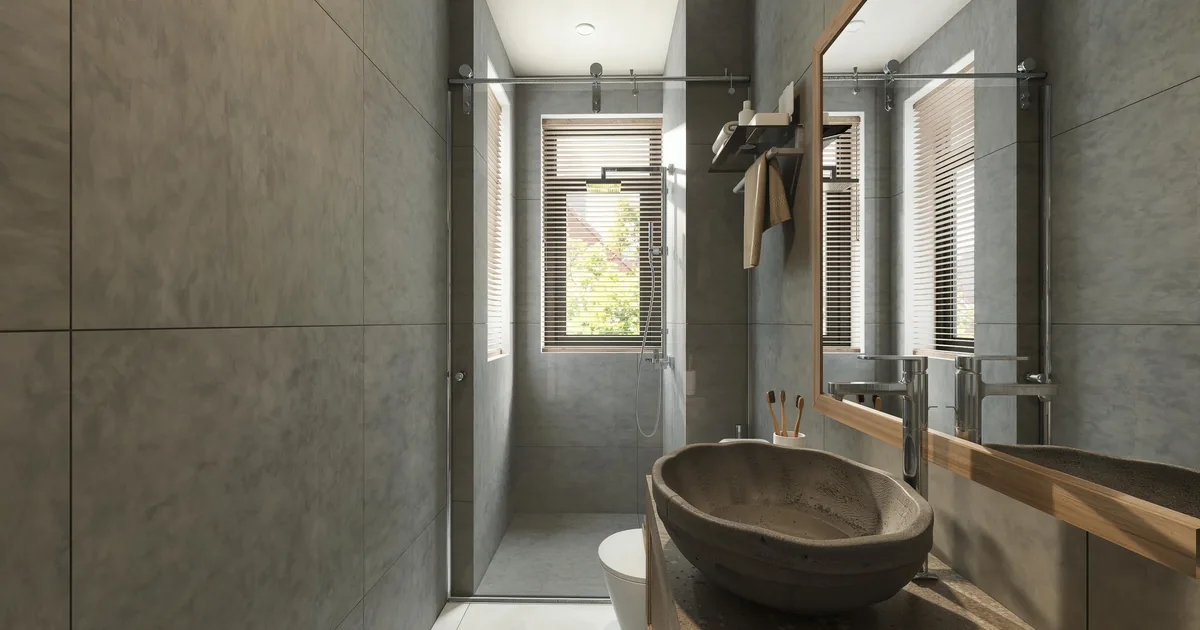
Ask three Melbourne builders what a bathroom renovation costs and you’ll get three very different answers. That’s not dishonesty. Bathrooms are simply the most variable renovation job in a home. The size, the existing condition, what you want to keep, what you want to move, and the tile you fall in love with at the showroom all pull the number in different directions. This guide gives you a realistic range at each level, explains what actually drives cost, and covers a couple of Victorian-specific compliance points that are worth knowing before you start.
Melbourne’s bathroom renovation market in 2026
Melbourne sits at a cost multiplier of approximately 1.18 times the national median for bathroom renovation work. That puts it above Adelaide and roughly on par with Perth, though well below Sydney (1.28) and Brisbane (1.32). For a standard six square metre bathroom, that difference matters. We’re talking a few thousand dollars either way when you’re already spending $30,000.
Demand for bathroom renovations in Melbourne has stayed consistently strong since 2022. The combination of rising property values, older housing stock in established suburbs and a shift toward improving rather than moving has kept licensed tilers, waterproofers and plumbers booked well in advance. If you’re planning to start in the next few months, expect booking lead times of six to ten weeks for good trades.
Melbourne also has some specific compliance requirements that affect bathroom renovation costs and timelines. They’re not onerous, but ignoring them creates real problems later.
What you get at each price point
These estimates cover a standard Melbourne bathroom of approximately six square metres, which is a typical ensuite or secondary bathroom size. All figures include GST and assume a standard renovation that keeps the existing layout. Moving plumbing to new positions is covered separately below.
| Tier | Typical range (6m²) | What’s included |
|---|---|---|
| Budget | $15,000–$25,000 | Basic fixtures, ceramic tiles, standard vanity, semi-frameless shower screen, new tapware. Functional and fresh but not a design statement. |
| Mid-range | $25,000–$38,000 | Quality fixtures, full retile with stone-look tiles, niche, frameless shower screen, wall-hung vanity, heated towel rail. The sweet spot for most Melbourne owner-occupiers. |
| Premium | $38,000–$55,000 | Designer tiles, freestanding bath, custom vanity joinery, feature lighting, premium tapware throughout. Noticeably different from mid-range in both material and finish quality. |
| Luxury | $55,000–$80,000+ | Full wet room design, custom stone surfaces, heated floors, bespoke joinery, high-end European tapware. Designed around the experience of using the space, not just the look of it. |
These are planning benchmarks. Your actual quote will depend on your bathroom’s existing condition, the tiles and fixtures you choose, whether any layout changes are required, and your builder’s current pricing. Get at least three written quotes from licensed contractors before making any decisions.
Want a figure based on your actual bathroom size? The calculator adjusts for Melbourne’s cost multiplier automatically.
Run the numbersVictorian compliance: what you need to know
Two compliance requirements come up consistently in Melbourne bathroom renovations. Neither is unusual or expensive if you plan for them. Both can cause real headaches if you don’t.
Waterproofing work in wet areas must be carried out by a registered waterproofer and inspected by a building inspector before tiling begins. This is a requirement under the National Construction Code as applied in Victoria, and it’s not optional. A builder who suggests skipping the inspection to save time is a builder worth walking away from. Uninspected waterproofing can affect your home insurance cover and create complications when you sell.
Most standard bathroom renovations in Victoria, including replacing fixtures, retiling, and fitting a new vanity or shower in the same location, do not require a building permit. However, if you’re relocating plumbing beyond minor adjustments, making structural changes or the property is in a heritage overlay, a permit may be required. The Victorian Building Authority (VBA) and your local council are the right places to confirm requirements for your specific property. When in doubt, a building surveyor can give you a definitive answer quickly.
What drives the cost up
The tier ranges above describe a reasonably straightforward job. Here’s what pushes renovation costs beyond those benchmarks:
Moving plumbing to a new location
If you want the toilet, shower or bath in a different position from where they are now, a licensed plumber needs to relocate the waste pipes. In Melbourne homes with a suspended timber floor, common in inner suburbs like Fitzroy, Northcote and Brunswick, this is manageable and typically adds $2,500 to $5,000 depending on the distance and complexity of the move. In homes with a concrete slab, cutting into the slab to reposition drainage adds cost and complexity. Get a specific quote for any plumbing relocation before you commit to a layout change.
Tile selection
Tile choice has an outsized impact on bathroom renovation costs, and it goes beyond just the price per square metre. Large format tiles (600x1200mm and above) require a more prepared substrate, more skilled installation and more waste material in a small room. All of that adds to the tiler’s quote. Imported tiles from Europe and Italy look extraordinary but often carry long lead times. Feature tiles used on a single wall or floor can work beautifully without blowing the budget, but mixing three or four tile types in a small bathroom quickly adds up in both material and labour.
Freestanding bath
A freestanding bath has become one of the most requested items in Melbourne bathroom renovations over the past few years. The cost reality is that a quality freestanding bath starts at around $1,500 and runs to $6,000 or more for supply alone, before installation and the floor-mounted tapware that goes with it. They also require a floor that can take the weight in the right position, which occasionally means structural assessment. Beautiful, but not a cheap upgrade.
Heated floors
Given Melbourne winters, electric underfloor heating is a genuinely worthwhile investment in a bathroom. A standard system for a six square metre bathroom costs approximately $1,200 to $2,500 installed, including the thermostat. It needs to be installed under the tiles before grouting, so it has to be specified at the start of the job. Asking to add it once tiling has started is either impossible or expensive.
Access and building type
Apartments in Melbourne’s inner suburbs, including St Kilda, South Yarra and Richmond, often present access challenges that affect the cost and speed of a renovation. Restricted building hours (typically 8am to 5pm weekdays in residential strata), no goods lift for a third-floor apartment, and owners corporation requirements for builder inductions and bond payments all add time and cost. If you’re in a strata building, speak to your owners corporation manager before you start planning to understand what’s required and what’s prohibited.
What the industry data says
The HIA Kitchens and Bathrooms Report 2025 places the national median bathroom renovation at $22,000 to $28,000. With Melbourne’s 1.18 multiplier applied, that translates to approximately $26,000 to $33,000 for a standard mid-range Melbourne renovation, which is consistent with current builder quotes for a six square metre bathroom with full retile, frameless screen and mid-spec fixtures.
hipages 2025 data shows completed Melbourne bathroom projects ranging from $15,000 for a straightforward budget refresh to well over $55,000 for premium renovations, with the majority of owner-occupier projects landing between $25,000 and $40,000.
Renovating in Sydney instead? Read the Sydney kitchen cost guide or use the calculator to compare cities.
Compare citiesHow long does a Melbourne bathroom renovation take
The renovation itself, from demolition to final clean, typically takes two to four weeks for a standard bathroom. The lead time before work starts is almost always longer than the work itself.
Trade booking lead times in Melbourne are currently running six to ten weeks for good tilers and waterproofers. If you have a specific date in mind, start speaking to builders three to four months in advance.
Vanity and shower screen lead times vary significantly. Off-the-shelf vanities from local suppliers can be available within days. Custom joinery and frameless screens made to measure typically take three to six weeks. If your renovation hinges on a specific custom piece, order it as early in the planning process as possible.
Waterproofing inspection timing adds a step that not everyone plans for. The relevant inspection of the waterproofing membrane should be arranged before tiling begins. Confirm the exact requirements and timing with the VBA or a registered building surveyor for your specific job. In busy periods, booking lead times can stretch. Your builder should factor this into the programme. If they haven’t thought about it, that’s worth raising before you start.
Is a bathroom renovation worth it before selling
Melbourne real estate agents consistently list bathroom condition as one of the top factors influencing buyer confidence and willingness to pay at or above asking price. A dated or poorly maintained bathroom with cracked grout, mouldy silicone or old tapware signals neglect to buyers even when the rest of the property is in good condition.
A mid-range renovation costing $28,000 to $35,000 can significantly improve buyer perception and is often reflected in sale prices, though by how much varies substantially depending on suburb, property type and market conditions at the time of sale. Before committing, speak to a local real estate agent who knows your street. They’ll have a view on what buyers in your area expect and what they’ll actually pay more for.
Get a planning estimate for your bathroom
Enter your bathroom size, finish tier and Melbourne location to get a free estimate adjusted for current Melbourne costs.
Calculate My EstimateFrequently asked questions
Most standard bathroom renovations that replace like-for-like fixtures and tiles in the same positions do not require a building permit in Victoria. A permit is generally required if you are making structural changes, relocating plumbing beyond minor adjustments, or if the property is in a heritage overlay. The Victorian Building Authority and your local council are the right places to confirm requirements for your specific property. A building surveyor can also provide a quick and definitive answer if you’re unsure.
In Victoria, domestic building work over $10,000 (including labour and materials) must be carried out by a registered building practitioner. Plumbing work must be done by a licensed plumber, and any electrical work by a licensed electrician. You can verify registrations through the Victorian Building Authority’s public register at vba.vic.gov.au. Always ask for the registration or licence number before signing any contract, and check it yourself. For bathroom renovations involving plumbing, waterproofing, tiling and electrical work, your main contractor should be coordinating licensed trades for each component.
Waterproofing membranes are installed under the tiles and completely hidden once tiling is done. A pre-tile check confirms that the membrane has been applied correctly, to the right height, with no gaps or missed areas. Once tiles go down, any waterproofing failure is invisible until water starts appearing in the room below or in adjacent walls. The inspection requirement exists to catch problems before they’re covered up. Confirm inspection requirements with the VBA or a registered building surveyor before your tiler starts. Your builder should arrange this as part of the standard programme.
Yes. All figures in this guide and in our calculator include GST. When comparing builder quotes, confirm whether the total is GST inclusive or exclusive before comparing figures. Some initial estimates are presented excluding GST, which can make them appear more competitive at first glance. A written quote from a reputable contractor should state clearly whether GST is included.
A renovation replaces what’s there: new tiles, new fixtures, new vanity, while keeping the bathroom in the same layout and footprint. A remodel changes the layout: moving the toilet, relocating the shower, expanding into an adjacent space. Renovations are generally faster and more predictable in cost. Remodels are more complex, require more trade coordination and plumbing work, and carry more risk of encountering unexpected conditions during demolition. If the layout of your current bathroom works functionally, a renovation almost always gives a better cost-to-result ratio than a remodel.